
ByJohn A
Pairing a Barrel Sauna With a Cold Plunge for Contrast Therapy
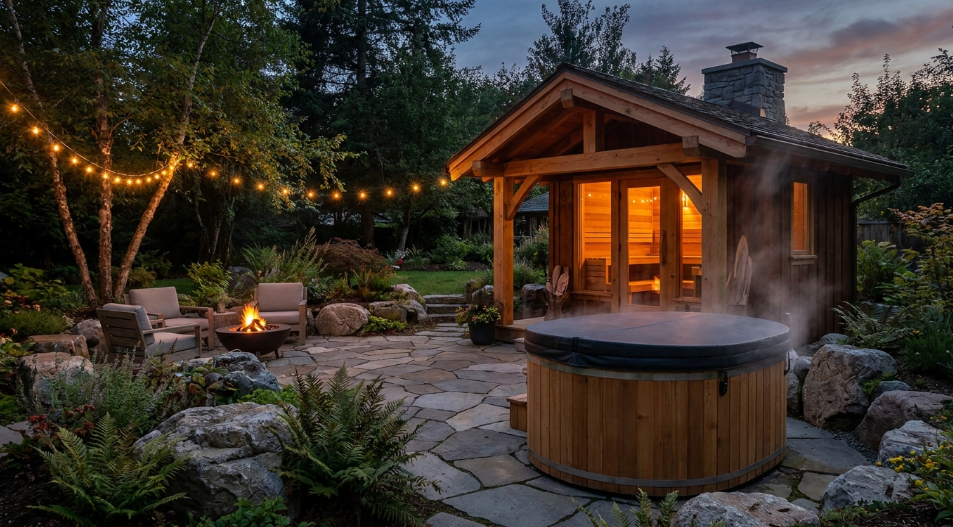
Contrast therapy in a barrel sauna setup usually means two to three rounds of 10 to 15 minutes of heat followed by 1 to 3 minutes of cold water, finishing on cold, with the plunge positioned close to the barrel’s door for a short walk between the two. The barrel’s rock bed holds heat well enough for back-to-back rounds without a full re-warm each time. Here’s how a home routine typically works and what the underlying research does and doesn’t support.
What Is Contrast Therapy Actually Doing?
Heat dilates blood vessels, pulling blood toward the skin’s surface; cold does the reverse, constricting vessels and pushing blood back toward the body’s core. Cycling between the two several times is thought to work like a pump for circulation. The practice traces back to Nordic sauna culture, where a hot session was traditionally followed by rolling in snow or plunging into a lake, and the modern barrel-plus-plunge-tub version is a direct, smaller-scale descendant of that same pattern.
How Many Rounds Should a Barrel Session Include?
Two to three rounds is the common starting pattern: roughly 10 to 15 minutes in the barrel at a comfortable heat, then 1 to 3 minutes in cold water around 50 to 59°F, repeated and always ending on cold. There’s no single validated protocol tested in controlled trials for this exact sequence, so treat these ranges as a sensible starting point rather than a fixed prescription, and adjust based on how you actually feel afterward rather than chasing someone else’s routine.
Does the Barrel Stay Warm Enough Between Rounds?
This is a fair question specific to barrel construction. Unlike some infrared cabins that cool almost immediately once the panels shut off, a traditional barrel with a stove and rock bed retains stored heat well with the door closed, so stepping out for a two-minute cold plunge and coming back typically doesn’t require a full reheat. If you’re running an electric heater on a timer, leaving it active between rounds rather than switching it off keeps recovery even faster, though it does add a bit to the session’s total electricity draw.
Where Should the Cold Source Sit?
Position the plunge tub or cold source as close to the barrel’s door as your yard layout allows, ideally within a few steps. Because a barrel’s door sits at one fixed end of the cylinder, that’s the natural point to plan around rather than a spot on the opposite side of the yard. A short walk matters more than it sounds like: covering real distance between hot and cold gives you time to lose core heat before the cold immersion actually starts working, which blunts the contrast the whole practice is built around.
What Does the Evidence Say About the Sauna Half?
The sauna side of this pairing has real long-term data behind it. A widely cited cohort study published in JAMA Internal Medicine followed more than 2,300 middle-aged Finnish men and found more frequent sauna bathing associated with lower rates of fatal cardiovascular events and all-cause mortality. A related study in Annals of Medicine found that association held even after accounting for cardiorespiratory fitness separately. A smaller study in Heart and Vessels looked at short-term blood markers of cardiovascular function in regular sauna users and found favorable shifts after a single session. These are observational and short-term physiological findings, not proof that sauna bathing alone prevents disease, but the pattern across multiple studies is consistent enough to take seriously.
What Does the Evidence Say About the Cold Plunge Half?
This is where a fair article has to slow down. A 2025 systematic review and meta-analysis in PLoS One examined cold water immersion’s effects on health and wellbeing broadly and found a genuinely mixed picture, with some support for mood and perceived recovery but weaker support for stronger physiological claims. There’s also a specific tradeoff worth knowing if you lift weights: cold water immersion done right after resistance training has been shown in some research to blunt strength and muscle-building adaptations, so someone chasing hypertrophy might want to keep cold plunge sessions separate from heavy lifting days rather than stacking both back to back.
Is This Safe for Everyone?
Most healthy adults tolerate a hot-cold routine well, but the temperature swings put real, fast demand on the cardiovascular system, more from the cold side than the heat side. People with unstable heart conditions, uncontrolled blood pressure, or who are pregnant should be more cautious specifically with sudden cold immersion, since it spikes heart rate and blood pressure quickly. Starting with shorter cold exposures and working up, rather than jumping straight to a full plunge, is a reasonable way to gauge your own tolerance.
How Often Should You Actually Do This?
Two to three contrast sessions a week is a reasonable starting frequency for most home setups, enough to build a habit without turning it into a daily obligation that becomes easy to skip. Pay attention to how you feel the morning after a full hot-cold session rather than judging it in the moment; some people notice better sleep and less next-day soreness, while others feel just as good with the barrel alone and skip the cold plunge most weeks. If you’re combining this with serious strength training, keep cold plunge days separate from your heaviest lifting sessions, given the research on blunted adaptations, and save the full hot-cold sequence for lighter training days or full rest days instead.
What Does a Barrel-Plus-Plunge Setup Cost?
A 6 to 7-foot barrel sauna for two to three people typically runs $3,500 to $6,000 depending on heat source, and a basic cold plunge setup ranges from nearly free, a cold shower or an ice-filled tub, up to $3,000 or more for a chiller-equipped tub that holds a set temperature automatically. Buyers planning both halves of a home contrast setup together can compare SweatDecks saunas against separate plunge tub options to figure out footprint and total budget before committing to either piece.
Frequently Asked Questions
How many rounds of hot and cold make up a typical contrast session?
Two to three rounds, each roughly 10 to 15 minutes hot and 1 to 3 minutes cold, finishing on cold.
Does a barrel sauna cool down too much between rounds?
Not usually. The rock bed retains heat, so a closed barrel typically holds most of its temperature between short rounds.
Where should a cold plunge tub go relative to a barrel sauna?
As close to the door as possible, since the barrel’s fixed door end is the natural exit point for a short walk to the cold source.
Can cold plunging cancel out the sauna’s cardiovascular benefit?
No evidence suggests that. The known tradeoff is cold immersion potentially blunting strength adaptations after resistance training specifically.
Who should be cautious about contrast therapy?
People with unstable heart conditions, uncontrolled blood pressure, or who are pregnant, given how quickly cold immersion raises heart rate.
References
- Association between sauna bathing and fatal cardiovascular and all-cause mortality events (JAMA Internal Medicine, 2015)
- Joint associations of sauna bathing and cardiorespiratory fitness on cardiovascular and all-cause mortality risk (Annals of Medicine, 2018)
- Short-term effects of Finnish sauna bathing on blood-based markers of cardiovascular function in non-naive sauna users (Heart and Vessels, 2018)
- Effects of cold-water immersion on health and wellbeing: A systematic review and meta-analysis (PLoS One, 2025)
